
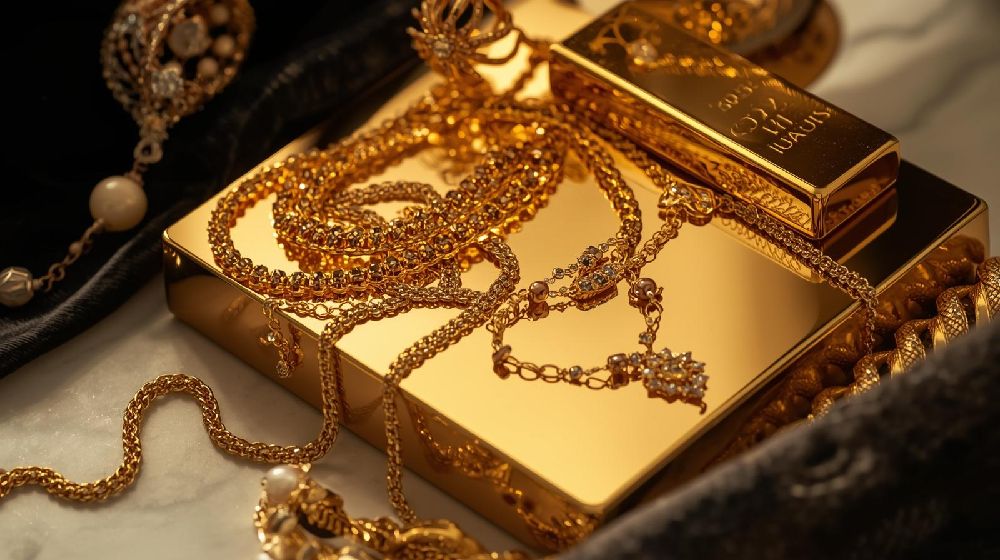
Gold has long been associated with wealth, prestige, and timeless beauty. In today’s evolving luxury landscape—shaped by global trends, technology, and conscious consumption—gold continues to hold a central and irreplaceable role. Far beyond ornamentation, gold represents value, craftsmanship, and enduring status in modern luxury markets.
Gold as a Symbol of Timeless Luxury
Luxury trends may shift, but gold remains constant. Its natural luster, rarity, and permanence make it a universal symbol of refinement. Unlike trend-driven materials, gold transcends seasons, cultures, and generations, reinforcing its position as a cornerstone of luxury jewelry, watches, and accessories.
Craftsmanship Meets Innovation
Modern luxury markets emphasize precision craftsmanship combined with advanced technology. Gold adapts seamlessly to this evolution. Techniques such as CNC machining, laser welding, and micro-polishing allow designers to create intricate, lightweight, and contemporary designs while maintaining gold’s traditional value. This blend of heritage and innovation elevates gold beyond mere material into an art form.
Gold as an Asset in Luxury Consumption
Today’s luxury buyers are more informed and value-conscious. Gold appeals to this mindset by offering tangible value alongside aesthetic appeal. Unlike many luxury goods that depreciate after purchase, gold retains intrinsic worth and often appreciates over time, making it both a fashion statement and a financial safeguard.
Sustainability and Responsible Luxury
Ethical sourcing and sustainability are increasingly important in luxury markets. Gold fits well into this shift due to its recyclability and longevity. Reclaimed gold can be refined and reused without loss of quality, aligning with modern luxury’s focus on responsible consumption and long-term value.
Gold in Everyday Luxury
Modern luxury is no longer limited to rare occasions. Minimalist gold jewelry, unisex designs, and lightweight pieces have made gold suitable for daily wear. This accessibility has expanded gold’s role from ceremonial adornment to everyday sophistication, appealing to younger and global audiences.
Global Demand and Cultural Significance
Gold’s appeal remains strong across global luxury markets, from bridal jewelry in India to fine minimalist pieces in Western markets. Its deep cultural relevance ensures consistent demand, reinforcing gold’s dominance in the luxury sector despite changing consumer preferences.
Conclusion
In modern luxury markets, gold stands at the intersection of tradition, innovation, value, and responsibility. Its ability to evolve while preserving intrinsic worth makes it unmatched by other luxury materials. As trends come and go, gold continues to define what true luxury means—enduring, meaningful, and timeless.