
How Modern Plating Techniques Transform the Look, Durability & Shine of Gold Jewelry
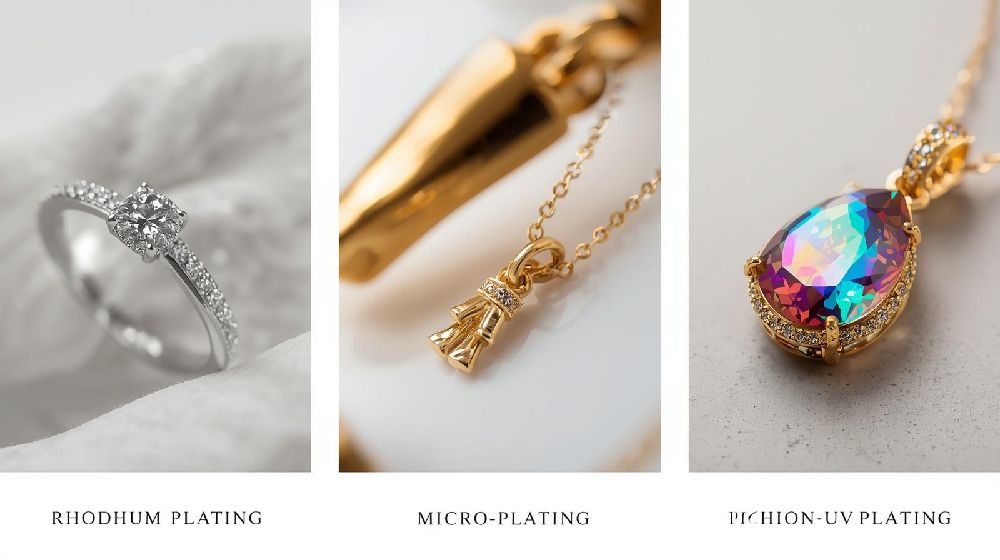
In today’s jewelry industry, plating plays a crucial role in enhancing beauty, improving durability, and giving jewelry a premium finish. Whether it’s the brilliant white shine of rhodium, the smooth uniform layer of micro-plating, or the advanced protection of UV-plating — each plating method offers unique benefits.
This blog breaks down the most popular plating techniques used by modern jewelers.
1. Rhodium Plating – The Premium White-Gold Finish
Rhodium plating is one of the most luxurious and sought-after finishes in the jewelry world. It gives gold jewelry a brilliant white shine, protects it from scratches, and increases durability.
What Is Rhodium?
Rhodium is a rare metal from the platinum family known for its extreme shine and resistance to tarnishing.
Why Jewelers Use Rhodium Plating
-
Gives gold jewelry a bright white mirror-like finish
-
Increases scratch resistance
-
Prevents tarnish and corrosion
-
Makes the jewelry hypoallergenic
-
Ideal for white gold jewelry
Where Rhodium Is Commonly Used
-
Wedding rings
-
Engagement rings
-
White gold chains
-
Earrings & daily-wear studs
-
High-end designer jewelry
Rhodium plating needs re-polishing and re-plating over time, especially for rings worn daily.
2. Micro-Plating – Ultra-Smooth, High-Quality Coating
Micro-plating is popular for both gold jewelry and fashion jewelry. It provides a high-quality finish with extremely fine and even coating.
What Makes Micro-Plating Special?
Micro-plating uses controlled electric currents and advanced machines to deposit a thin, smooth layer of metal on jewelry.
Benefits of Micro-Plating
-
Ensures uniform thickness
-
Provides an ultra-smooth finish
-
Enhances shine and durability
-
More long-lasting than regular electroplating
-
Cost-effective yet premium-looking
Where Micro-Plating Is Used
-
Daily-wear gold pieces
-
CZ jewelry
-
Designer earrings and pendants
-
Lightweight chains
-
Gold-filled fashion jewelry
Micro-plating gives jewelry a beautiful finish without increasing weight or metal cost.
3. UV-Plating – The Future of Jewelry Coating
UV-plating is one of the most modern innovations in jewelry finishing. It uses ultraviolet light curing technology to bond a protective layer onto the metal surface.
How UV-Plating Works
-
Liquid plating solution is applied
-
UV light instantly hardens the coating
-
The layer bonds strongly to the metal
-
Result: scratch-resistant, long-lasting surface
Advantages of UV-Plating
-
Exceptional hardness and scratch resistance
-
Longer-lasting compared to regular plating
-
Anti-tarnish protection
-
Eco-friendly, low chemical usage
-
Ideal for intricate and delicate jewelry designs
Common Uses of UV Plating
-
High-polish bangles
-
Designer CNC jewelry
-
Gold coins and pendants
-
Everyday-wear rings and earrings
-
Lightweight fashion jewelry
UV-plating gives jewelry a glass-like protective finish, making it perfect for modern wearers who want beauty with durability.
4. How Jewelers Choose the Right Plating Type
The choice of plating depends on:
Purpose of jewelry
-
Wedding/engagement → Rhodium
-
Daily wear → Micro-plating or UV-plating
Metal color
-
White appearance → Rhodium
-
Yellow/rose enhancement → Micro-plating
Durability needs
-
Maximum scratch resistance → UV-plating
Design style
-
For lightweight, delicate pieces → Micro-plating
-
For bold, high-polish designs → UV-plating
5. Why Plating Matters in Modern Gold Jewelry
Plating enhances both aesthetics and functionality:
-
Improves shine
-
Protects against dullness
-
Enhances color tone
-
Increases life of the jewelry
-
Ensures premium finish
-
Helps maintain brand quality
In a world where customers expect flawless finishes, plating has become an essential step in jewelry manufacturing.
Conclusion
Whether it's the bright mirror shine of rhodium, the affordable and elegant polish of micro-plating, or the durable, innovative protection of UV-plating, each type brings its own advantages. Modern jewelers combine these techniques to deliver jewelry that is beautiful, durable, and long-lasting.
Understanding plating helps buyers appreciate the craftsmanship behind every piece — and ensures smarter purchasing decisions.