
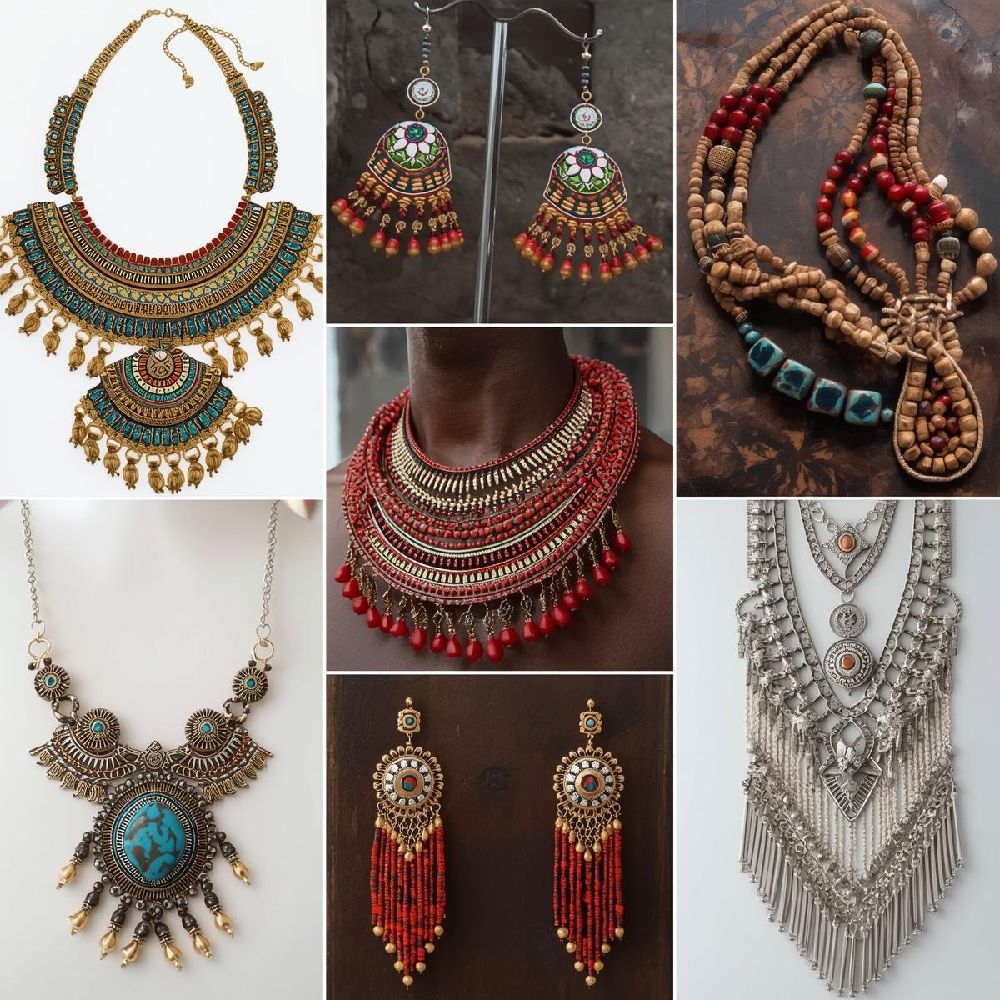
Jewelry is more than adornment—it is a universal language that tells stories of heritage, belief, status, and identity. Across civilizations and continents, jewelry has played a vital role in rituals, celebrations, and everyday life. Each culture brings its own meaning, materials, and design aesthetics, making jewelry a powerful reflection of human history and tradition.
Indian Jewelry: Symbolism and Spirituality
In Indian culture, jewelry is deeply symbolic and often associated with prosperity, protection, and divine blessings. Gold is considered sacred and is commonly worn during weddings, festivals, and religious ceremonies.
-
Mangalsutra symbolizes marital commitment
-
Bangles represent prosperity and well-being
-
Nose rings and anklets carry cultural and spiritual significance
Intricate craftsmanship and traditional motifs highlight India’s rich artistic legacy.
Middle Eastern Jewelry: Luxury and Identity
Middle Eastern jewelry is known for its bold designs and opulent use of gold. Historically, jewelry also served as portable wealth and a marker of social status.
-
Heavy gold necklaces and layered chains are common
-
Geometric and calligraphic patterns dominate designs
-
Jewelry often reflects tribal identity and family heritage
Gold jewelry remains central to celebrations and traditional attire.
African Jewelry: Storytelling Through Craft
African jewelry is expressive and symbolic, often handmade using beads, shells, metals, and natural materials. Each color, pattern, and shape tells a story.
-
Beaded necklaces signify age, status, or marital stage
-
Materials like cowrie shells symbolize wealth and fertility
-
Jewelry is closely linked to ceremonies and community identity
African jewelry emphasizes individuality and cultural pride.
Western Jewelry: Elegance and Personal Expression
Western jewelry traditions have evolved from royal adornments to personal fashion statements.
-
Engagement rings and wedding bands symbolize love and commitment
-
Minimalist designs reflect modern lifestyles
-
Jewelry is often chosen to express personality and style
Precious metals and gemstones are valued for both beauty and sentiment.
East Asian Jewelry: Harmony and Meaning
In East Asian cultures, jewelry often reflects balance, nature, and spiritual symbolism.
-
Jade is highly prized for protection and longevity
-
Motifs inspired by animals, flowers, and elements symbolize harmony
-
Jewelry is worn for both beauty and positive energy
Designs tend to be refined, elegant, and deeply meaningful.
Indigenous and Tribal Jewelry: Ancestral Connection
Indigenous jewelry worldwide is closely tied to ancestry and nature. Crafted using local materials, these pieces preserve cultural stories and traditions.
-
Feathers, stones, bones, and metals are commonly used
-
Jewelry often plays a role in rites of passage and spiritual rituals
-
Designs are passed down through generations
Each piece carries history and identity.
Modern Fusion: Cultures Intertwined
Today’s global world has inspired a fusion of traditional and contemporary jewelry styles. Designers blend cultural motifs with modern techniques, creating pieces that honor heritage while appealing to modern tastes. This cross-cultural exchange keeps traditions alive in innovative ways.
Conclusion
Jewelry in different cultures is a testament to humanity’s shared love for beauty, meaning, and expression. Whether symbolic, spiritual, or stylistic, jewelry connects us to our roots while allowing us to express who we are. Understanding these cultural meanings enriches our appreciation of jewelry—not just as an accessory, but as a living story worn close to the heart.