
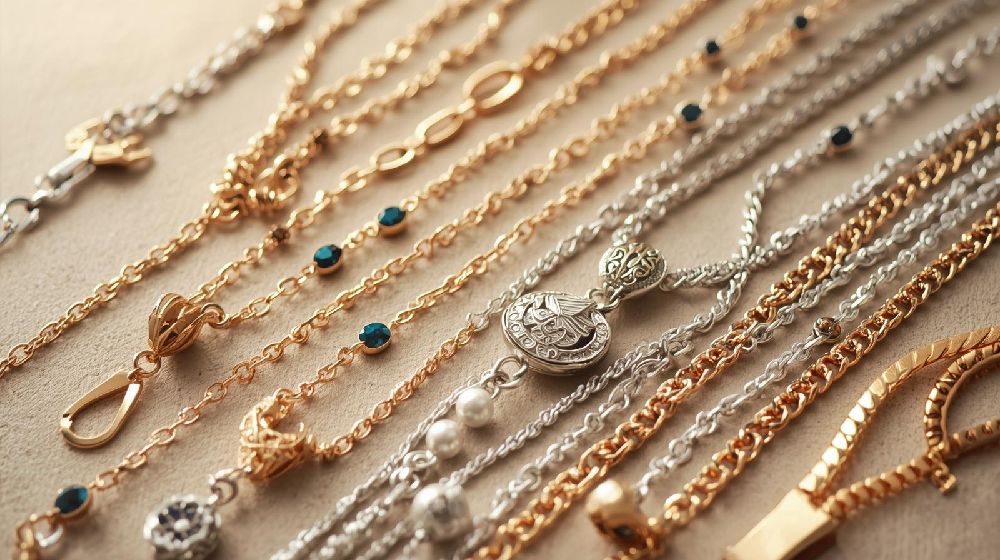
Chains, necklaces, and pendants are essential elements of personal style. Whether worn alone for subtle elegance or layered for a bold fashion statement, these pieces frame the neckline and define an outfit. Understanding their differences, styles, and styling options helps buyers choose jewelry that complements both personality and lifestyle.
This guide breaks down everything you need to know about chains, necklaces, and pendants—from design basics to modern styling trends.
Understanding the Difference
Although often used interchangeably, chains, necklaces, and pendants serve different roles.
-
Chains are metal links worn on their own or used as a base for pendants.
-
Necklaces are complete designs that may include beads, motifs, or decorative elements.
-
Pendants are ornamental pieces that hang from chains and act as focal points.
Each has a unique purpose and style impact.
Chain Styles: The Foundation of Neck Jewelry
Chains are the backbone of many jewelry looks. Popular chain styles include:
-
Cable chains – Simple and classic, ideal for daily wear
-
Box chains – Clean and structured with a modern feel
-
Figaro chains – Alternating links for visual interest
-
Curb chains – Bold and masculine, popular in statement looks
-
Rope chains – Twisted design that reflects light beautifully
Chain thickness and length greatly influence overall style.
Necklace Styles: From Minimal to Statement
Necklaces are complete pieces designed to stand on their own.
Common necklace styles include:
-
Chokers for a bold, contemporary look
-
Princess-length necklaces for everyday elegance
-
Long necklaces for layering and elongation
-
Beaded or textured necklaces for artistic appeal
Necklaces allow for creativity while framing the neckline gracefully.
Pendant Styles: Personal Meaning and Expression
Pendants add character and symbolism to chains.
Popular pendant types include:
-
Initials and name pendants
-
Religious and spiritual symbols
-
Geometric and abstract designs
-
Gemstone pendants
-
Minimalist bars and discs
Pendants often carry emotional or personal significance, making them timeless keepsakes.
Choosing the Right Length
Length determines how jewelry sits and how it complements different outfits.
-
16–18 inches: Close to the collarbone, perfect for pendants
-
20–22 inches: Versatile everyday length
-
24 inches and above: Ideal for layering or statement styling
Urban fashion favors versatile lengths that transition from day to night.
Layering Chains and Necklaces
Layering is a modern styling trend that adds depth and personality.
Tips for layering:
-
Mix different lengths
-
Combine textures and thicknesses
-
Keep pendants minimal when stacking
-
Balance metals or stick to one tone
Layered jewelry allows wearers to customize their look effortlessly.
Materials and Craftsmanship Matter
High-quality materials and precision craftsmanship ensure:
-
Comfort during long wear
-
Secure clasps and links
-
Long-lasting shine and durability
Well-crafted chains and pendants maintain their structure and elegance over time.
Styling for Men and Women
Modern designs are increasingly gender-neutral. Men often prefer bold chains or minimal pendants, while women experiment with layering and delicate designs. Today, style rules are flexible—expression matters more than tradition.
Final Thoughts
Chains, necklaces, and pendants are more than accessories—they are expressions of identity, emotion, and style. Whether minimal or bold, classic or contemporary, the right piece enhances both outfit and confidence.
Understanding these elements empowers buyers to choose jewelry that fits their lifestyle and tells their story.